 Zebra Intelligent - Intelligent Tool Cabinet, Intelligent Material Cabinet, Intelligent RFID Tool Cabinet, Intelligent Racking, Intelligent Warehouse Management



Intelligent material cabinet from the auxiliary material management breakthrough: manufacturing digital transformation of the “key step”
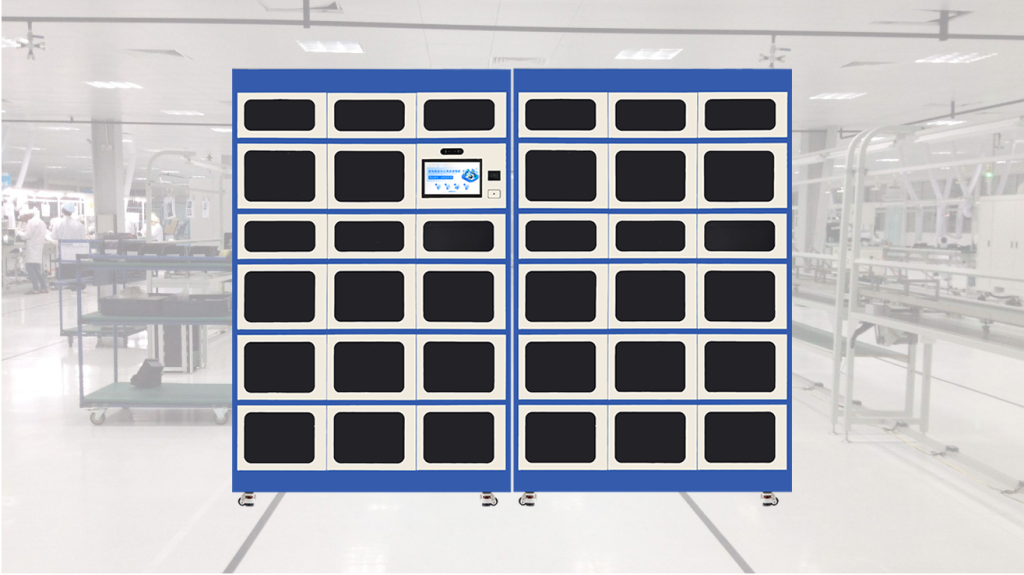
Amid increasingly fierce competition in the manufacturing sector, companies are seeking breakthroughs and transformation, and digital transformation has become the inevitable path for many manufacturing enterprises toward high-quality development. In this process, the seemingly unremarkable task of auxiliary material management holds immense potential and has become a key entry point for driving digital transformation across the entire manufacturing industry. The emergence of smart material cabinets serves as a powerful tool in this transformation; by innovatively addressing the challenges of traditional auxiliary material management, they are leading the manufacturing industry into a new era of digitalization.
I. Challenges in Traditional Auxiliary Materials Management
For a long time, manufacturing plants have focused heavily on the primary raw materials needed for production, but there have been numerous issues with the management of auxiliary materials. First, information recording relies on manual ledgers, which are not only inefficient but also prone to errors and omissions. Staff members must spend a significant amount of time filling out requisition forms, verifying inventory levels, and performing other tasks, making the process cumbersome and error-prone, which in turn affects work efficiency. Second, conducting inventory counts is fraught with difficulties. Due to the lack of effective real-time monitoring tools, it is difficult to accurately track the actual inventory levels of auxiliary materials, often resulting in discrepancies between recorded and physical inventory—a situation that creates uncertainty in production planning. Furthermore, auxiliary materials are stored haphazardly, making them difficult to locate. Without unified planning and management, auxiliary materials of different types and specifications are piled up randomly. When workers urgently need a specific item, they often have to spend a long time searching for it, delaying production progress. Furthermore, unclear delineation of responsibilities is another major pain point. When problems arise, it is difficult to trace them back to specific individuals, which hinders the company’s standardized management. These intertwined issues severely constrain the company’s ability to improve production efficiency and management standards.
II. Advantages and Features of Smart Storage Cabinets
In response to the challenges of traditional auxiliary material management, smart material cabinets have emerged, bringing a turning point to the manufacturing industry with their advanced technology and unique design philosophy. They offer the following notable advantages and powerful features:
- Automated Data Collection: Using IoT technology, sensors are installed in each storage compartment to accurately track the retrieval and return of auxiliary materials. Every time a compartment is opened or closed, the system automatically records relevant information—such as the person retrieving the items, the time, and the quantity—without requiring manual intervention, ensuring the accuracy and timeliness of the data. This not only significantly reduces the workload for staff but also enhances the reliability of the information. For example, in an automotive parts manufacturing workshop, when workers use tools such as screwdrivers, they simply swipe a card or scan a QR code to open the corresponding compartment, and the system immediately logs the transaction, facilitating subsequent queries and statistical analysis.
- Precise Inventory Control: Equipped with a built-in high-precision weighing device, it can monitor changes in the weight of auxiliary materials in each compartment in real time. Combined with preset safety stock thresholds, the system automatically issues an alert when inventory falls below the set value, reminding managers to restock in a timely manner. This prevents production line downtime caused by material shortages and ensures production continuity. At the same time, it prevents the wasteful tying up of capital caused by excessive stockpiling. For consumables commonly used in electronics factories, such as solder paste—which have relatively stable consumption rates and specific shelf lives—the smart material cabinet can accurately predict demand based on historical usage data, thereby maintaining optimal inventory levels.
- Ordered Storage and Fast Lookup: Featuring a modular design, the layout is organized into zones based on the type and purpose of the supplies. Each zone is clearly labeled to guide users in properly placing items. Additionally, the cabinets are equipped with interior lighting, making it easy to locate the necessary supplies even in low-light conditions. For small, precision parts, dedicated drawer-style compartments can also be provided to protect them from damage. For example, various cutting tools used in the machining industry can be sorted and stored in specific compartments, ensuring a neat and organized appearance while making them easy to access.
- Strict Permission Management: Supports multiple authentication methods, including fingerprint recognition, facial recognition, employee ID and password, and more. Only authorized personnel can open the corresponding compartments to retrieve auxiliary materials, effectively preventing unauthorized individuals from misusing resources. This feature helps strengthen the company’s security management and reduce the risk of material loss. In production workshops involving core technologies or valuable materials, such strict access controls are particularly important.
- Data Analysis and Decision Support: After accumulating a large amount of usage data, in-depth analysis of this data can provide valuable insights for businesses. For example, understanding which auxiliary materials are used most frequently and when peak usage periods occur can help optimize procurement plans and adjust inventory strategies. Management can use these reports to make informed and reasonable decisions, further improving the company’s operational efficiency.
III. Practical Application Cases and Results
To provide a more vivid illustration of how smart material cabinets work in practice, let’s look at a few real-world examples. Before introducing smart material lockers, a major home appliance manufacturer frequently experienced shipping delays due to the inability to locate suitable packaging materials. Since implementing the smart material lockers, all packaging supplies—such as cardboard boxes and foam boards—have been properly stored, and employees can quickly retrieve the items they need with simple operations, significantly improving efficiency in the packaging process. According to statistics, the company’s order delivery cycle has been shortened by approximately 20%, and customer satisfaction has improved significantly. Another machinery manufacturing company has utilized smart material cabinets to effectively manage lubricants and greases. Previously, confusion over the different grease grades used by various machines led to frequent equipment failures. Now, each type of grease has its own dedicated storage unit, and the system strictly controls the dispensing process to ensure the correct grease is applied to the appropriate equipment. This has reduced equipment repair frequency by nearly half, extended service life, and lowered maintenance costs. Additionally, some apparel manufacturers have used smart material cabinets to solve management challenges related to small accessories such as buttons and zippers. In the past, these small items were frequently lost or in short supply, affecting the quality of finished garments. Today, with the protection provided by smart storage cabinets, every button can be tracked, ensuring product integrity and consistency.
IV. The Far-Reaching Significance of Supporting the Digital Transformation of the Manufacturing Industry
Smart material lockers are not merely a simple tool innovation; they represent a crucial step toward driving the overall digital transformation of the manufacturing industry. They break through the bottlenecks of traditional management models and help companies build an efficient, transparent, and controllable logistics support system. Building on this foundation, companies can devote more energy to the innovative development of their core businesses. As more and more companies recognize this and take proactive measures, the entire manufacturing sector will undergo a profound transformation. In the future, we will witness increasingly intelligent production environments, where every stage is closely interconnected to form an organic whole. From raw material procurement to product design and R&D, and on to manufacturing, sales, and service, every step will benefit from the empowerment of digital technology. And the starting point for all of this may well be those seemingly ordinary yet crucial smart material cabinets. They quietly safeguard the smooth operation of production lines, bearing witness to the advancement of China’s manufacturing sector toward higher levels of excellence. In summary, seizing the opportunity presented by auxiliary material management and fully leveraging the advantages of smart material cabinets will undoubtedly accelerate the digital transformation of manufacturing enterprises, making them more competitive in the global market.
